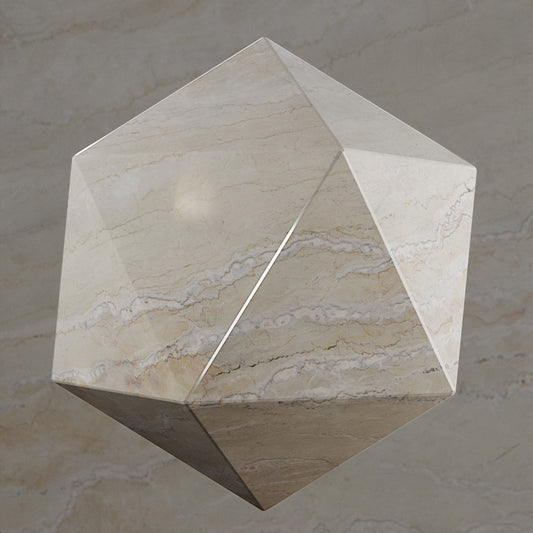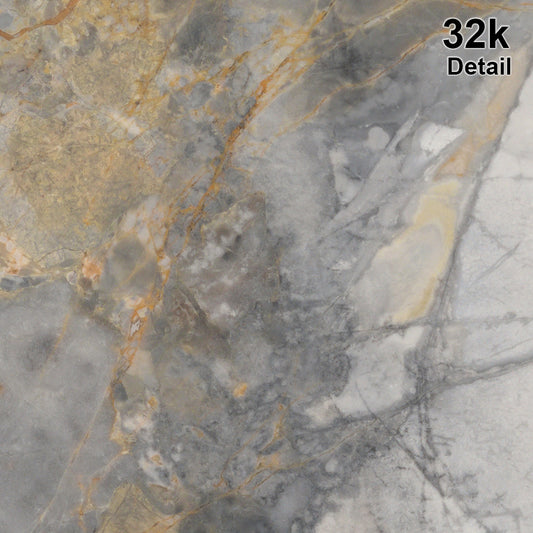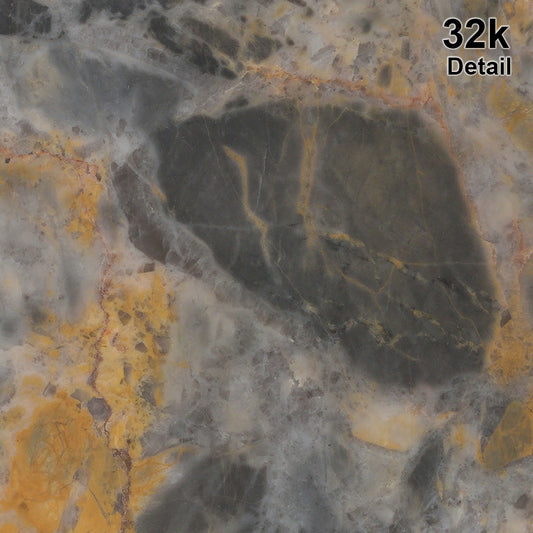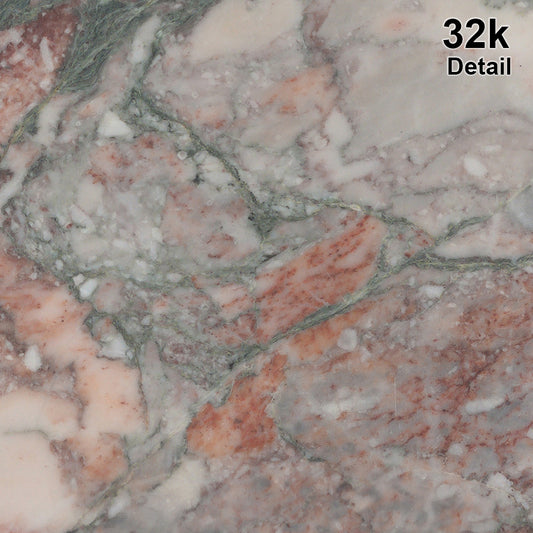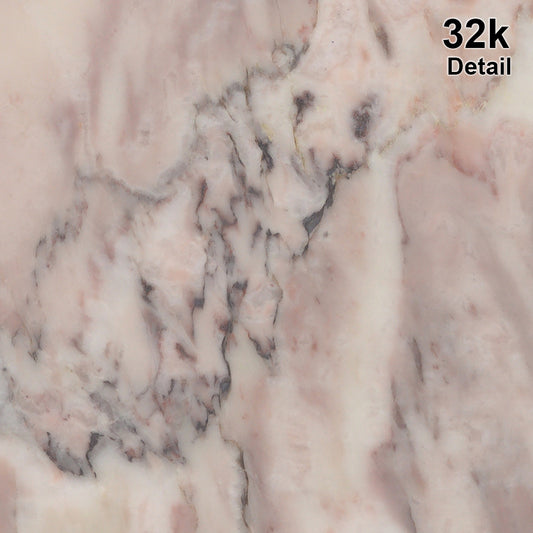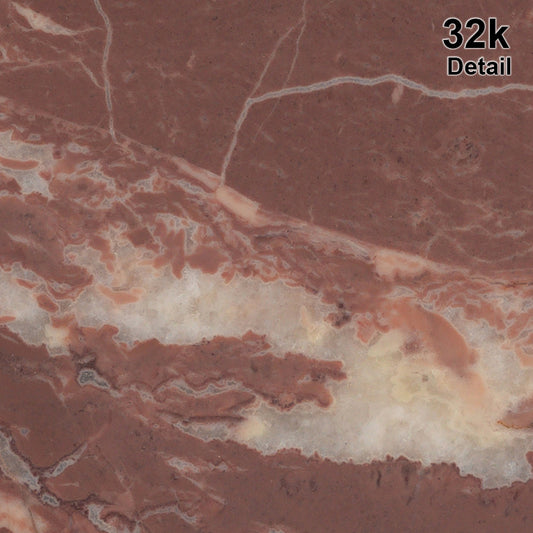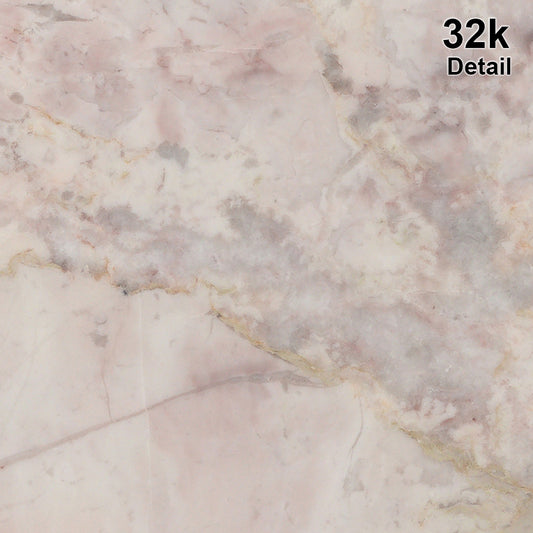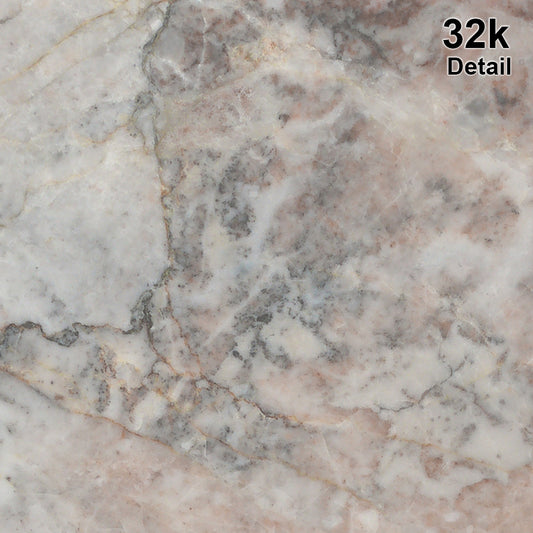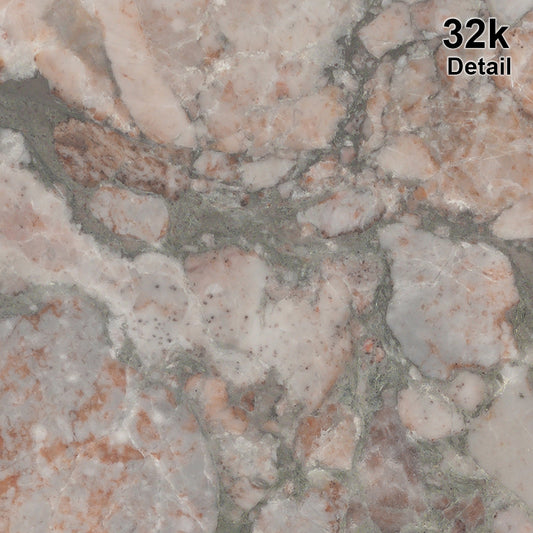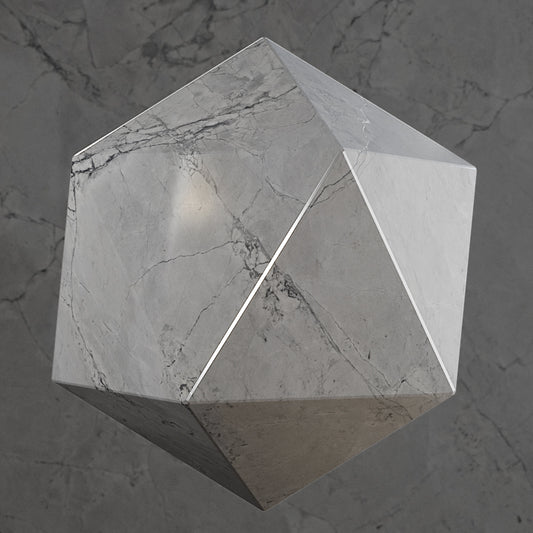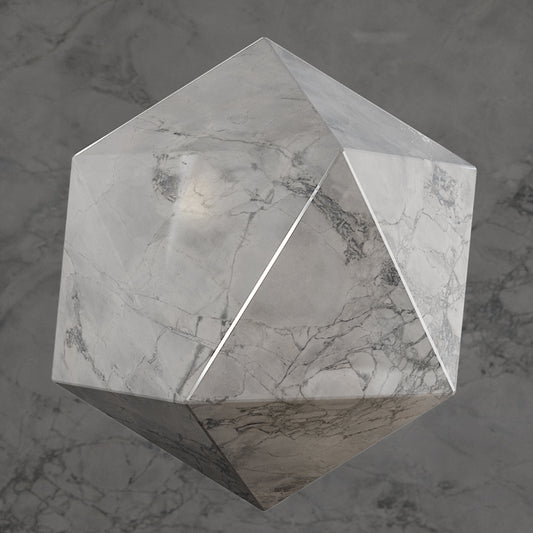
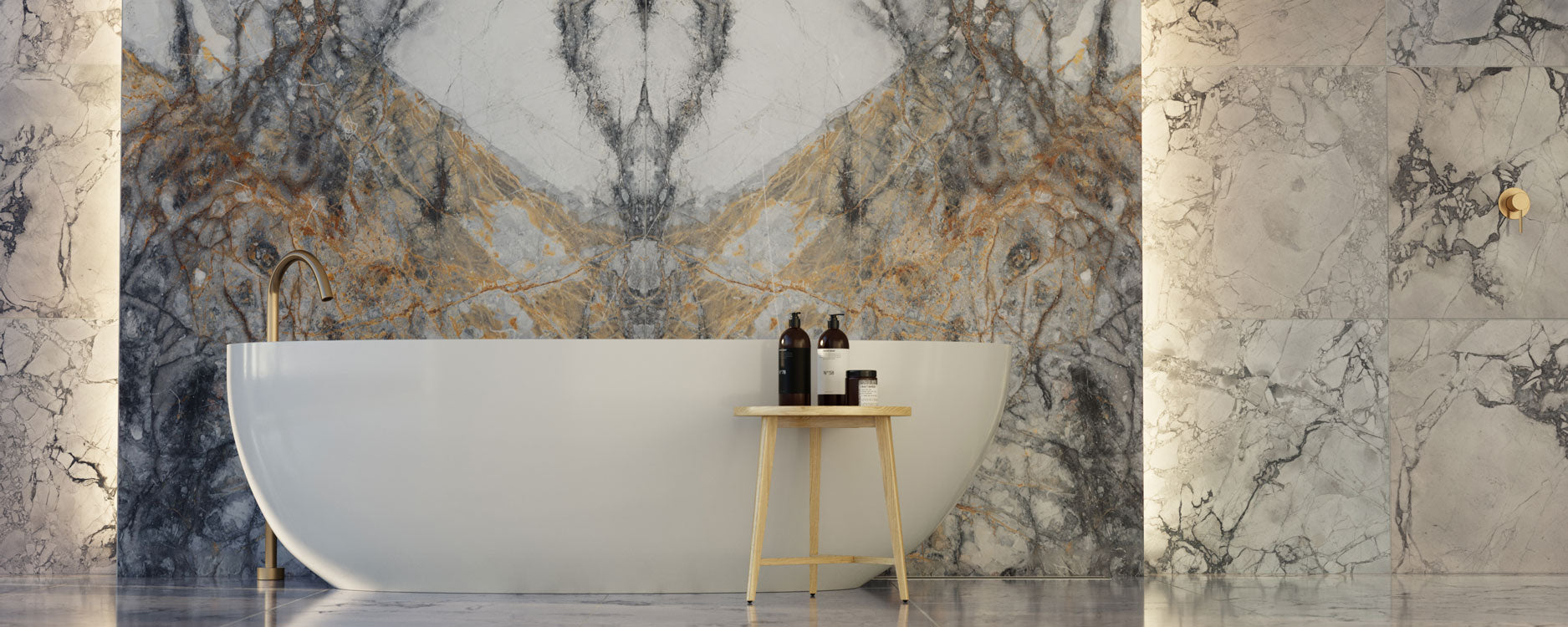
Dolomite textures: pale, softly veined slab scans for 3D

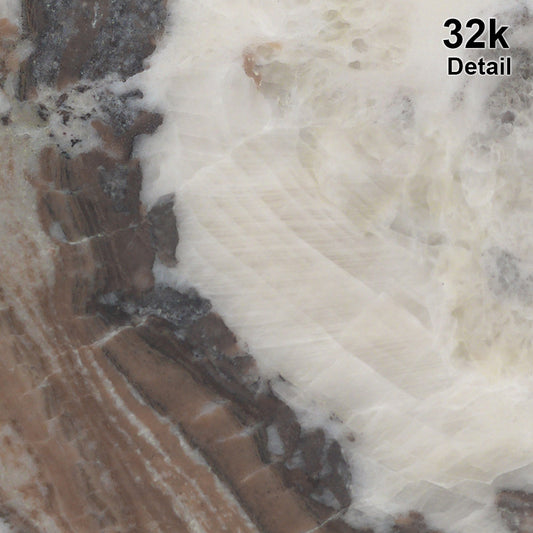
Thirdmap's dolomite collection gives you more than a dozen photo-scanned textures for 3D and archviz, each captured from one real slab and delivered in 8K, 16K and 32K. They are digital files for your scene, not physical slabs, mineral samples or photographs of the Italian Dolomites, and never AI-generated or procedural.

Dolomite rock texture: pale grounds and veining that runs from soft to defined

A dolomite texture reproduces the surface of dolomite, a calcium magnesium carbonate mineral, CaMg(CO3)2, and of the rock it forms, called dolostone. Polished, it most often reads as a pale ground, from white to grey and warm beige, with pink or tan tones in some varieties, and veining that ranges from soft to well defined, stone by stone. The name also belongs to a mountain range in Italy, but here it means the stone.

Dolomite or marble? What changes in your render

In the stone trade, "dolomite" usually refers to polished dolomitic marble, a carbonate stone sold in slabs, which is why a search for a dolomite marble texture and one for a dolomite texture often lead to the same material. In your render the chemistry does not matter, because a texture is a colour map: what you choose is the look. Pick dolomite when you want a pale ground, and look at the marble textures when you want a wider colour range, from bright white to deep black and green.

Super White, Dolce Vita, Cherry Blossom and more: the collection line-up

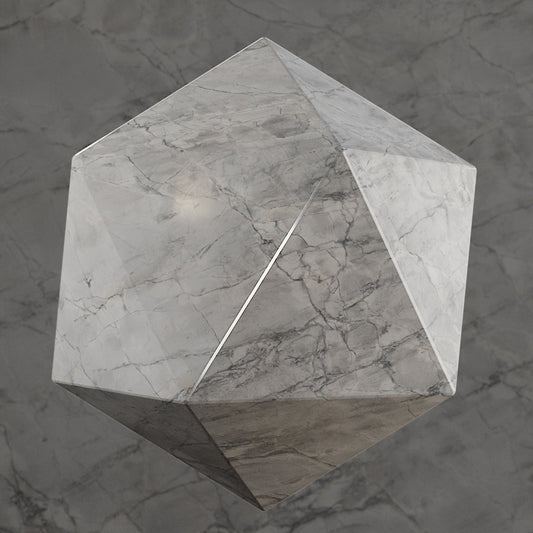
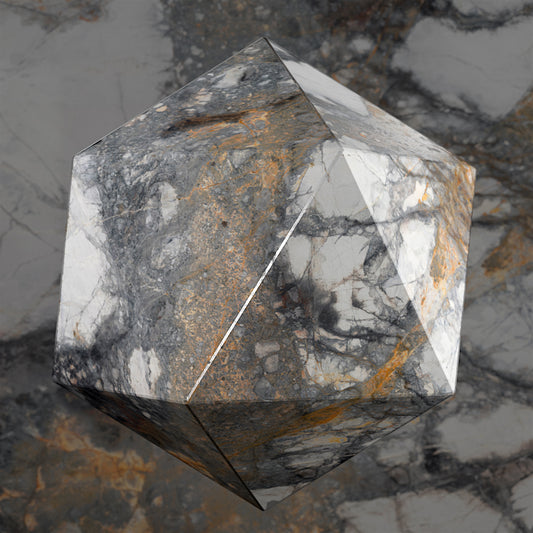
The collection brings together eight stones: Super White, Dolce Vita, Cherry Blossom, Cinque Terre, Volcanic White, Ciel Blanc, Pilbara Red and Rio Tranquilo. Super White, Dolce Vita and Cherry Blossom each appear in more than one texture, such as Super White, Super White Op2 and Super White Op3, and every texture is listed with its own size, between about 2850 and 3550 mm on the long side. Vein colours run from cream and grey to pink, green and maroon, and the Main Colour and Vein Colour filters narrow the grid.

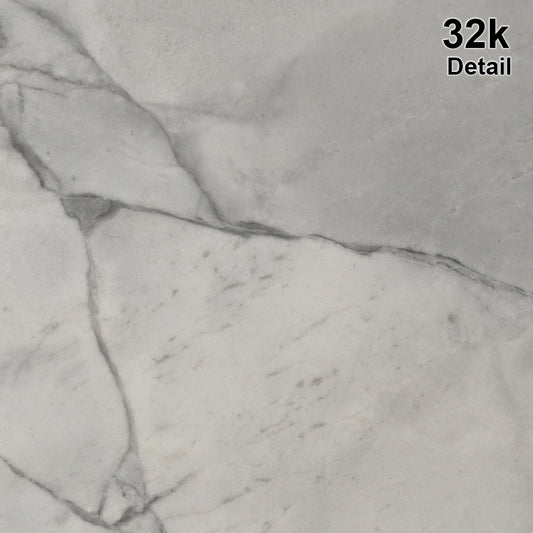
Super White is the best-known name in the group. It is often sold as a quartzite, but stone-industry sources identify it as a dolomite, a dolomitic marble, and its composition can vary between quarry lots. Naming in this family is not always consistent in the trade, so treat each product page as the reference for that stone.

High resolution dolomite textures in 8K, 16K and 32K for PBR engines

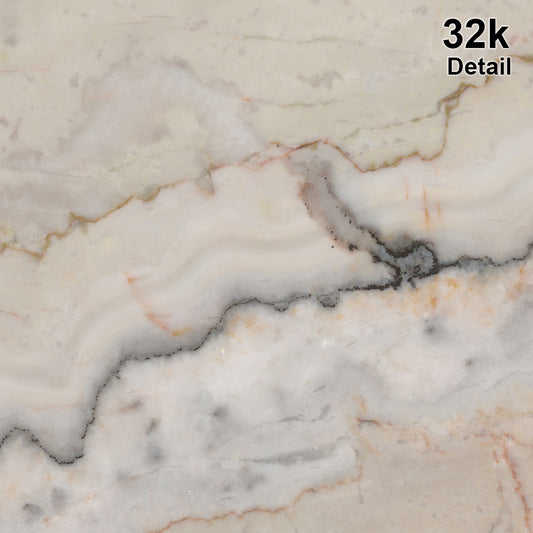
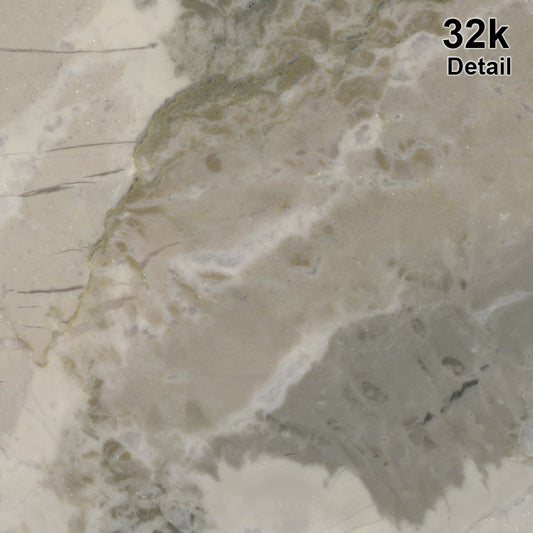
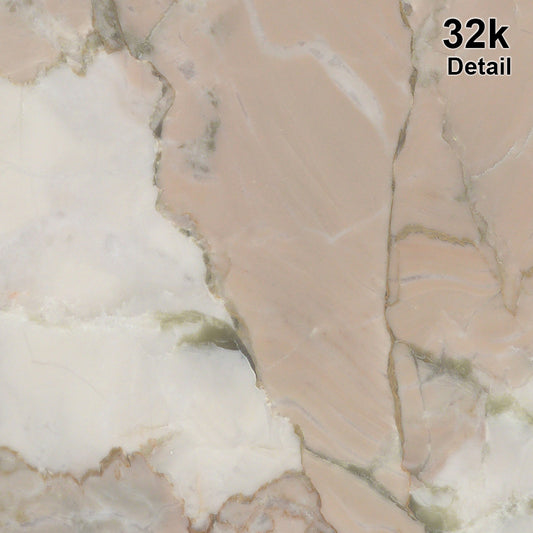
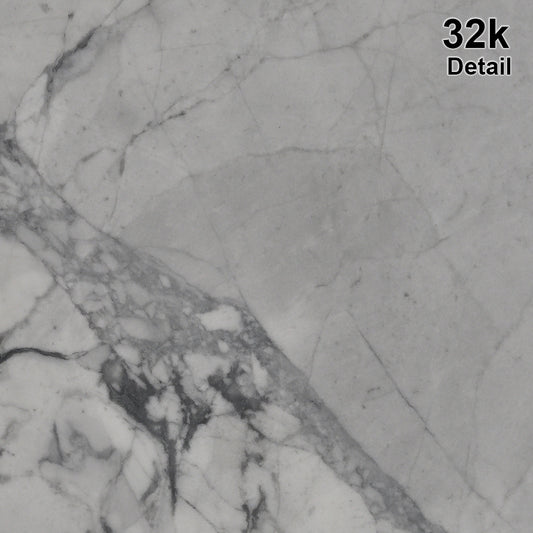
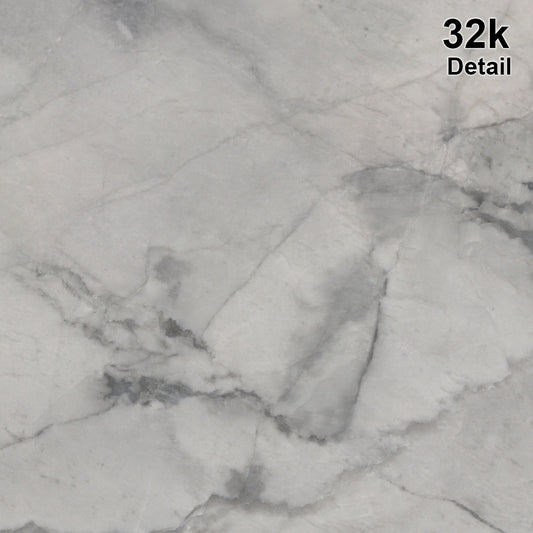
Every dolomite texture comes in 8K, 16K and 32K, chosen per texture: 8K for wide shots, 16K for close-up work and 32K for extreme close-ups, where fine veining stays sharp. Each one is a scan of a single slab, so it is not seamless or tileable. The files are 8-bit JPG colour maps, optimised for PBR workflows in render engines such as Corona and Unreal, and 16-bit or 24-bit files can be requested for an additional charge.

Dolomite textures: frequently asked questions

Is dolomite the same as marble or quartz?

Dolomite is a carbonate, like marble, and much of what the trade sells as dolomite is dolomitic marble. Quartz is a different matter: engineered quartz is a manufactured surface of crushed quartz bound with resin, and quartzite is a natural quartz-rich rock that scratches glass, which dolomite does not.

Does dolomite hardness matter in a render?

No. Dolomite measures 3.5 to 4 on the Mohs scale, slightly harder than calcite, which is 3, but a texture is a colour map and carries no hardness. The scanned stone is polished and smooth, so there are no normal maps: the detail lives in the colour map, which you drop into a PBR material and set to the roughness you want.

How does dolomite form?

Most dolomite forms when limestone or lime mud is altered by magnesium-rich fluids, a process called dolomitisation. It formed in vast amounts in the geological past but only rarely today, a long-standing puzzle known as the "dolomite problem".